- Admin
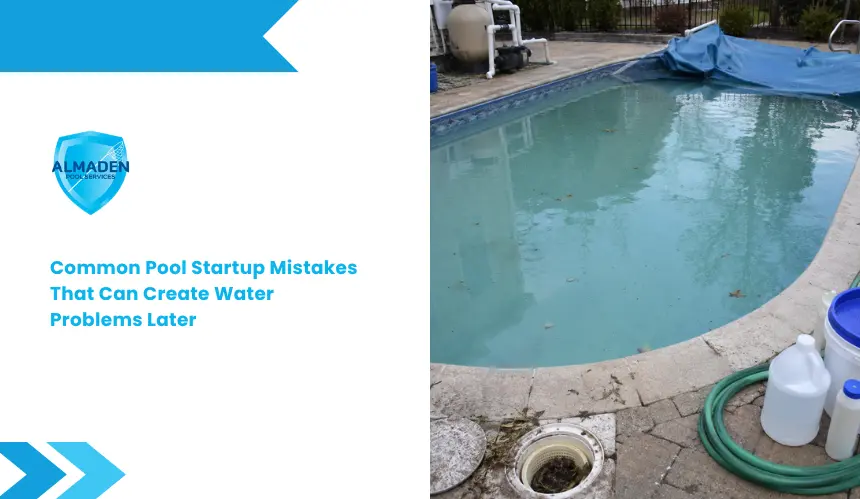
Common Pool Startup Mistakes That Can Create Water Problems Later
Opening the pool for a new season is exciting, but the startup process can have a lasting impact on water quality. Small mistakes made during the first few days may not seem serious at the time, yet they can create ongoing problems that affect water clarity, chemical balance, and overall pool performance throughout the season.
Many water quality issues that appear during summer actually begin during startup. Improper cleaning, skipped inspections, poor circulation, or incorrect chemical adjustments can all make pool maintenance more difficult later on.
This blog explains common pool startup mistakes that can affect water quality all season and why taking the right steps early can help create a cleaner and more stable swimming environment.
Mistake #1: Skipping a Complete Cleaning Before Startup Can Leave Contaminants Behind
One of the most common startup mistakes is putting the pool back into operation before thoroughly cleaning it. Leaves, dirt, algae residue, and other debris that accumulated during the off-season can remain in the water and create problems once circulation begins.
Starting the season with contaminants already present often makes it more difficult to maintain clear and balanced water later.
Why debris should be removed before circulation begins
Before the pump and filtration system are fully activated, visible debris should be removed from the pool and surrounding areas. Cleaning the walls, floor, skimmer baskets, and other surfaces helps create a cleaner starting point for the season. Beginning with a clean pool allows the circulation system and chemicals to work more effectively from the start.
How leftover contaminants affect water quality
Organic material left in the pool can increase chemical demand and create conditions that encourage algae growth. Fine particles and debris may also place additional strain on the filtration system as it works to remove accumulated contaminants.
Taking time to complete a thorough cleaning before startup helps reduce these problems and supports healthier water throughout the season.
Mistake #2: Starting the Pool With Unbalanced Water Can Create Problems Early
Many homeowners are eager to begin using the pool and may overlook the importance of testing the water at startup. However, the chemical condition of the water at the beginning of the season often influences how easy or difficult pool maintenance will be in the months ahead.
Beginning with improper chemical levels can create a chain reaction of water quality issues that continue throughout the season.
Why initial water testing is important
Testing the water before making chemical adjustments provides a clear picture of the pool’s current condition. Factors such as pH, alkalinity, chlorine, and calcium hardness may have changed during the off-season, making it important to understand what corrections are actually needed.
Without proper testing, homeowners may add unnecessary chemicals or overlook imbalances that already exist. Starting with accurate readings helps establish a more stable foundation for ongoing maintenance.
How improper chemistry can affect the entire season
When water begins the season out of balance, maintaining consistent chemistry can become more difficult. Problems such as cloudy water, algae growth, excessive chemical demand, and scaling may become recurring issues throughout the summer.
Correcting these problems later often requires more time, effort, and expense than addressing them properly during startup. Taking time to balance the water early helps create healthier conditions that are easier to maintain over the long term.
Mistake #3: Neglecting Filter and Equipment Inspections Can Reduce Performance
Pool startup is more than simply turning the system back on. It is also an opportunity to inspect the filter, pump, baskets, and other equipment that may have been sitting unused for several months.
Skipping these inspections can allow small issues to go unnoticed, which may affect water quality and overall system performance throughout the season.
Why startup is the right time to check equipment
After the off-season, equipment should be inspected for signs of wear, debris buildup, damaged seals, or restricted water flow. Filters may need cleaning, baskets may need to be emptied, and circulation components should be checked to ensure they are operating correctly.
Performing these inspections at startup helps identify concerns before the pool begins regular use. Addressing problems early can help the system start the season under better conditions.
How can unnoticed issues affect water quality?
A dirty filter, weak circulation, or equipment that is not functioning properly can make it difficult to maintain clear and balanced water. Even if chemicals are added correctly, poor filtration and circulation can reduce their effectiveness.
When equipment issues are left unresolved, homeowners may experience recurring water problems that become harder to manage as the season progresses. Regular inspections help support cleaner water and more reliable pool performance.
Mistake #4: Adding Chemicals Too Quickly or in the Wrong Order Can Cause Imbalances
Pool chemicals work best when they are added carefully and given time to circulate properly. During startup, some homeowners try to correct multiple water issues at once by adding several products together or making large adjustments too quickly.
Although the goal is to speed up the process, rushing chemical treatments can actually make water balance more difficult to achieve.
Why chemical adjustments should be made carefully
Each chemical affects the water differently, and some adjustments require time before additional products are added. Gradual corrections allow the circulation system to distribute the chemicals evenly and help produce more accurate test results.
Making changes too quickly can create confusion because homeowners may not know which product caused a specific change in water chemistry.
How can improper additions affect water stability?
Incorrect chemical additions may lead to cloudy water, inconsistent sanitizer levels, scaling, or other balance issues that continue throughout the season. In some cases, homeowners end up using more chemicals than necessary because they are trying to correct problems created during startup.
Taking a more measured approach helps create stable water conditions and makes routine maintenance easier during the months ahead.
Mistake #5: Poor Circulation During Startup Can Lead to Ongoing Water Issues
Good circulation is essential during the first weeks of the swimming season. Even when the water has been cleaned and balanced properly, poor circulation can prevent chemicals from reaching all areas of the pool and reduce the effectiveness of the filtration system.
Because circulation affects nearly every aspect of pool maintenance, problems that begin during startup can continue long after the season is underway.
Why circulation is important during the first weeks
During startup, the pool is recovering from months of inactivity. Water needs time to move through the entire system so that chemicals can distribute evenly and the filter can remove remaining debris and contaminants.
Consistent circulation during this period helps establish healthier water conditions and supports a more stable pool environment for the rest of the season.
How stagnant areas can affect water quality
Areas with limited water movement can allow debris, algae, and contaminants to accumulate more easily. Steps, corners, and other low-circulation zones may not receive the same level of filtration and chemical coverage as the rest of the pool.
If these areas are ignored, water problems may continue to return even when the overall pool appears balanced. Maintaining healthy circulation from the beginning helps reduce these risks and promotes better water quality throughout the season.
Frequently Asked Questions
Should pool water be shocked immediately after opening?
Not always. The need for shocking depends on the condition of the water after startup. Testing the water first helps determine whether shock treatment is actually necessary.
How long should a pool run after startup chemicals are added?
Many pools benefit from running the circulation system continuously for the first day or two after startup. This helps distribute chemicals evenly and supports better filtration.
Is it normal for pool water to look cloudy after opening?
Temporary cloudiness can occur during startup as debris and contaminants are removed. However, persistent cloudiness may indicate underlying water balance or filtration issues.
Can weather affect pool startup results?
Yes. Heavy rain, pollen, wind, and temperature changes can all influence water chemistry and debris levels during the startup period.