- Admin
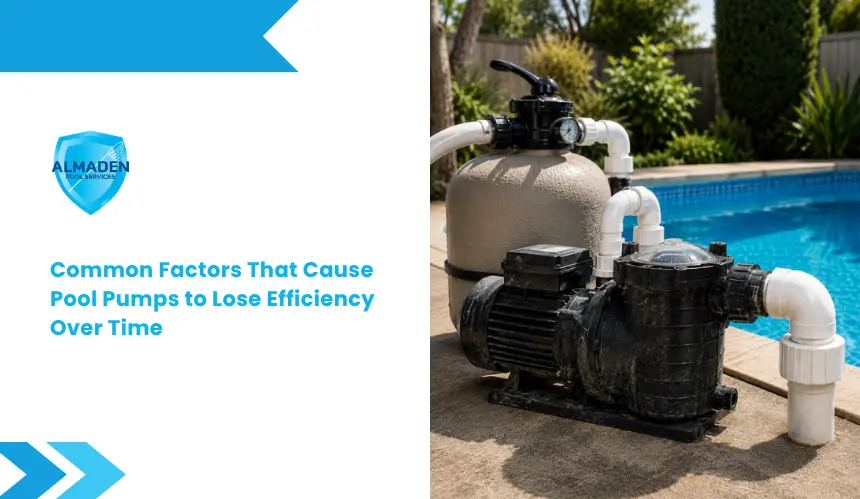
Common Factors That Cause Pool Pumps to Lose Efficiency Over Time
Pool pumps are designed to provide years of reliable performance, but not every pump ages at the same rate. Some continue operating efficiently for a long time, while others begin losing performance much sooner than expected.
The difference is often influenced by maintenance habits, water conditions, circulation issues, operating schedules, and the natural aging process of the equipment itself. Even small factors can gradually affect how efficiently a pump moves water through the system.
This blog explains why some pool pumps lose efficiency faster than others and what factors can influence long-term pump performance. Understanding these causes can help homeowners protect their equipment and maintain a healthier pool system.
1. Poor Maintenance Can Reduce Pump Performance
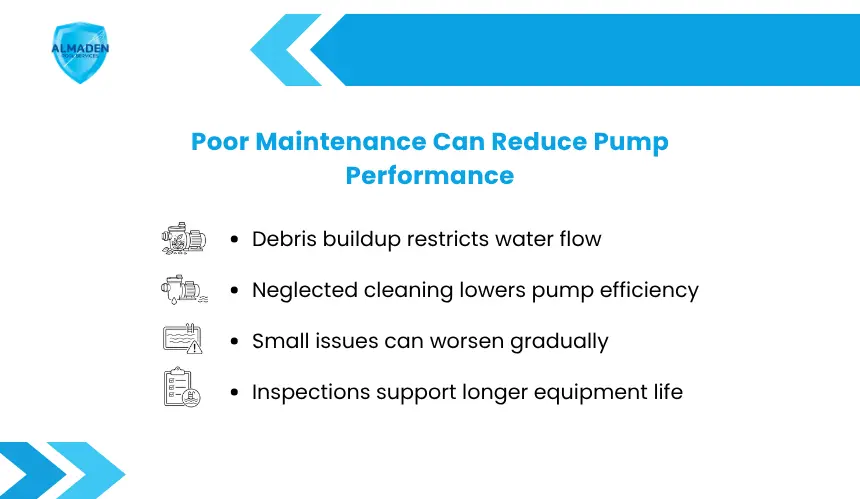
Regular maintenance plays an important role in how efficiently a pool pump operates over time. When routine care is overlooked, debris buildup and developing issues can gradually force the pump to work harder than necessary.
Although the decline may happen slowly, neglected maintenance often causes pumps to lose efficiency much faster than properly maintained systems.
How neglected cleaning affects efficiency
Skimmer baskets, pump baskets, and surrounding equipment areas can collect leaves, dirt, and debris over time. When these components are not cleaned regularly, water flow may become restricted, and the pump may struggle to maintain normal circulation. As the pump works harder to move water through the system, efficiency can decline, and additional wear may occur.
Why regular inspections matter
Routine inspections help identify small problems before they begin affecting performance. Minor leaks, unusual noises, loose fittings, or early signs of wear may not seem serious at first, but they can gradually reduce pump efficiency if they are ignored.
Consistent maintenance and periodic inspections help keep the pump operating under better conditions and support a longer equipment lifespan.
2. Restricted Water Flow Places Additional Stress on Pumps
Pool pumps are designed to move water efficiently, but they rely on proper circulation to do their job. When water flow becomes restricted, the pump has to work harder to maintain normal operation, which can gradually reduce its efficiency. Over time, this additional workload may contribute to premature wear and shorten the equipment’s lifespan.
How dirty filters and clogged baskets affect circulation
Dirty filters, full skimmer baskets, and blocked pump baskets can all restrict water flow through the system. As these components become clogged, the pump must use more effort to push water through the circulation system. This increased resistance can affect overall performance and make the pump less efficient over time.
Why proper water flow supports pump health
Healthy circulation allows the pump to operate under normal conditions and maintain steady performance. When water can move freely through the system, the equipment experiences less stress and is able to function more efficiently. Regular cleaning and maintaining proper circulation help protect the pump and support long-term performance.
3. Unbalanced Water Chemistry Can Affect Pump Components
Water chemistry influences much more than water clarity and swimmer comfort. The chemical condition of the pool also affects the internal parts of the pump and can have a significant impact on how efficiently the equipment operates over time.
When water chemistry is consistently outside the recommended range, the effects may not be visible immediately. However, gradual damage can occur inside the system and contribute to declining pump performance.
How chemical conditions contribute to wear
Highly acidic water can contribute to corrosion of metal components, seals, and other parts inside the circulation system. On the other hand, excessive calcium levels may lead to scale buildup that restricts water movement and affects overall efficiency.
Because these problems develop slowly, homeowners may not notice a change in pump performance until the equipment has already experienced unnecessary wear.
Why balanced water helps protect equipment
Maintaining proper chemical balance creates a healthier environment for the entire pool system. Stable levels of pH, alkalinity, and calcium hardness help reduce corrosion, scaling, and other conditions that can affect pump performance.
Regular water testing and timely chemical adjustments help pumps operate under better conditions. Over time, this can support longer equipment life and help maintain more consistent efficiency.
4. Long Operating Hours Can Increase Normal Wear
The amount of time a pool pump runs each day can influence how quickly it loses efficiency. Like any mechanical component, a pump experiences normal wear over time, and extended operating hours can accelerate that process.
While pumps are built for regular use, running them longer than necessary may place additional stress on internal components and gradually affect performance.
How usage patterns influence pump lifespan
Pools with heavy use, higher debris levels, or demanding circulation needs may require longer run times. Over the years, this increased workload can contribute to wear on motors, seals, bearings, and other moving parts.
Although this type of wear is normal, pumps that operate continuously under high demand may lose efficiency faster than systems with balanced operating schedules.
Why proper scheduling improves efficiency
A well-planned pump schedule helps maintain water quality without placing unnecessary strain on the equipment. Running the system for the appropriate amount of time allows the pool to receive adequate circulation while avoiding excessive operation.
When pumps are used efficiently, they often maintain more stable performance and experience less unnecessary wear over the long term.
5. Equipment Age Naturally Affects Pump Performance
Even with excellent maintenance, pool pumps do not maintain the same level of efficiency forever. As equipment gets older, normal wear gradually affects how effectively the pump moves water through the system.
This decline is a natural part of the equipment lifecycle and does not necessarily mean the pump has been neglected. However, older pumps may require more attention to continue operating efficiently.
Why older pumps may become less efficient
Over time, internal components experience normal wear from years of continuous operation. Motors, seals, bearings, and other parts can gradually lose efficiency, causing the pump to work harder to deliver the same level of performance. As a result, homeowners may notice longer run times, reduced circulation, or higher operating costs as the equipment ages.
When declining performance may indicate replacement needs
Minor reductions in efficiency are common as pumps get older, but significant performance changes may indicate that the equipment is approaching the end of its useful life. Frequent repairs, increasing energy consumption, or ongoing circulation problems may suggest that replacement should be considered.
Understanding the effects of age helps homeowners set realistic expectations and plan for future equipment upgrades.
Frequently Asked Questions
How many hours should a pool pump run each day?
Most residential pools run around 8 to 12 hours per day, but the ideal time depends on pool size, weather, usage, and pump type. Variable-speed pumps may run longer at lower speeds while using less energy.
Is a variable-speed pool pump more efficient than a single-speed pump?
Yes, variable-speed pumps are usually more efficient because they can run at lower speeds for longer periods. This reduces energy use and can create gentler, more consistent circulation.
Can the wrong pump size affect efficiency?
Yes. A pump that is too small may struggle to circulate water properly, while an oversized pump may waste energy and place extra stress on the system. Proper sizing matters.
Should a pool pump run during the day or at night?
Many homeowners run pumps during off-peak energy hours or during the day when chemical distribution and sunlight exposure matter more. The best schedule depends on utility rates and pool needs.